


Alpine Chevrolet – High-Altitude Cooling and Grade Control near Denver, CO — Chevrolet SUVs and Trucks vs Toyota
Mountain driving changes the conversation, and here along the Front Range, high-altitude power, cooling performance, and confident descents matter just as much as traction. At Alpine Chevrolet in Aurora, we talk with shoppers who are comparing Chevrolet to Toyota for weekend I-70 trips, ski-season traffic over Floyd Hill, and summer trailering to Dillon or Grand Lake. Below is a clear, real-world comparison focused on how both brands approach altitude, grades, and trailering, with helpful guidance for test drives near Denver, CO.
Thin air at 5,280 feet — and much higher at the Eisenhower/Johnson Tunnels — reduces naturally aspirated engine output and makes cooling systems work harder on long climbs. That is exactly where powertrain design, grade-control software, and trailering tech separate good from great. Chevrolet SUVs and trucks offer a wide span of torque-rich engines, advanced grade management, and camera-based towing features that help on both the climb and the descent. Toyota counters with proven 4×4 systems, turbocharged and hybrid options on key models, and driver-assist features aimed at rough terrain. The best choice depends on your mix of altitude, load, and everyday driving — and we are here to walk through each factor.
Start with powertrains. Many Chevrolet models are engineered for Colorado’s elevation swings, from turbocharged four-cylinder options in small SUVs to available V8 power in full-size SUVs and a high-torque Duramax diesel in select pickups. Turbocharging and diesel boost help retain performance at altitude, and Chevrolet pairs that with tow-focused transmissions and cooling packages. Toyota’s newer turbocharged and hybrid systems (such as the turbo four in several SUVs and the twin-turbo V6 hybrid in larger vehicles) also aim to deliver strong torque with improved efficiency. Both brands can be excellent at altitude, but the way they handle heat and grade control under load is where Chevrolet often pulls ahead for mountain commuters and frequent towers.
For drivers planning frequent I-70 climbs, boat ramps at elevation, or hauling gear to trailheads above Idaho Springs, the following Chevrolet advantages stand out in day-to-day use.
- Altitude-ready torque: Available turbocharged engines and the Duramax diesel in select Chevrolet pickups help maintain strong pull on long grades where naturally aspirated engines can feel taxed.
- Built-in cooling: Chevrolet trailering packages typically include auxiliary coolers and hardware tuned for sustained climbs and hot summer traffic on I-25 — a confidence boost when the temperature and elevation both rise.
- Intelligent grade control: Tow/Haul Mode, Automatic Grade Braking, and available Hill Descent Control help manage speed on the Georgetown Grade and similar descents, reducing brake wear and driver fatigue.
- Camera-based confidence: The available Advanced Trailering System with multiple camera views — including Transparent Trailer View on select configurations — simplifies lane changes, merges, and backing at crowded trailheads.
- Hands-free capability: Available Super Cruise on select Chevrolet models works on compatible divided highways and can be enabled while towing, delivering steady lane control on long Front Range stretches.
- Stability built in: StabiliTrak Electronic Stability Control with Trailer Sway Control is designed for gusty high-plains crosswinds and canyon gusts between Golden and Silver Plume.
Toyota brings meaningful strengths to the same use cases. Shoppers drawn to Toyota’s reputation for long-term durability and off-road versatility will find a lot to like, especially in models with terrain systems and turbo or hybrid powertrains. Here are areas where Toyota models may appeal in Colorado.
- Turbo and hybrid options: Widespread use of turbocharged and hybrid systems across Toyota SUVs and trucks provides responsive torque and potential efficiency benefits at elevation.
- Trail-focused features: Available Crawl Control, Downhill Assist Control, and Multi-Terrain Select on specific Toyota models offer sure-footed behavior on loose surfaces and technical forest roads.
- Standard driver assists: Toyota Safety Sense provides a robust suite of driver-assistance features across much of the lineup, supporting everyday commuting along E-470 and I-225.
- Proven 4×4 heritage: Traditional body-on-frame SUVs and trucks from Toyota have a long track record of off-road dependability that appeals to backcountry explorers.
Beyond power and traction, grade management is where mountain drivers often feel the biggest day-to-day difference. Many Chevrolet SUVs and trucks are tuned to automatically downshift on prolonged descents, helping maintain a set speed with less brake input. Add the available integrated trailer brake controller and Trailer Side Blind Zone Alert on select models, and descending from Loveland Pass detours or Idaho Springs construction zones becomes more predictable. Toyota models offer similar ideas with Tow/Haul modes, integrated trailer brake controllers on key trucks, and multi-view cameras; the specific availability varies by model and trim, so a back-to-back test on familiar grades is invaluable.
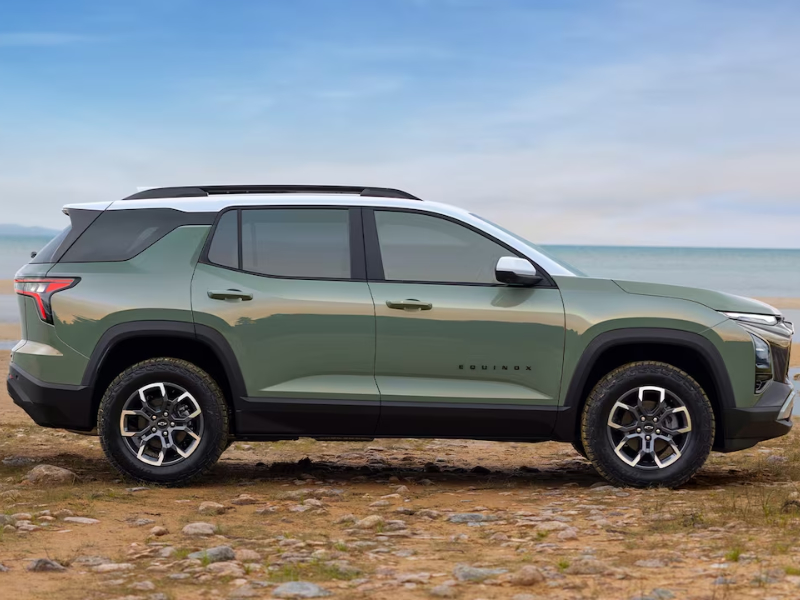
What about everyday SUV life near Denver? For school runs in Aurora, weekend hikes near Evergreen, and occasional powder-day trips to Summit County, Chevrolet’s SUV lineup offers a wide spread of AWD systems — including Auto mode in select vehicles that can proactively engage the front axle in changing conditions. Small SUVs like Trailblazer and Equinox bring easy maneuverability and snow-friendly traction, while Traverse, Tahoe and Suburban deliver family space and advanced trailering for camping season. Toyota’s SUV family counters with popular options across similar sizes, with available dynamic torque-splitting AWD and terrain modes that shine on gravel and rutted access roads. Both brands offer comprehensive active-safety suites — Chevy Safety Assist on many Chevrolet SUVs and Toyota Safety Sense on many Toyota SUVs — with features such as Automatic Emergency Braking, Front Pedestrian Braking, and Lane Keep Assist with Lane Departure Warning to support confident daily driving.
Because so many Denver-area shoppers split time between city streets and mountain passes, we recommend a route and checklist built around your life, not a short spin around the block. Use the steps below to evaluate any SUV or truck for altitude and grade readiness.
- Simulate your weekend: Start on surface streets in Aurora, merge onto I-225 or I-70, and include at least one steady climb to monitor response and temperatures.
- Check cooling behavior: Observe available engine and transmission temperature readouts during the climb, then note how quickly they stabilize afterward.
- Test descent control: Engage Tow/Haul, verify Automatic Grade Braking if equipped, and confirm the vehicle maintains a set speed with minimal brake input.
- Evaluate trailering tech: If you tow, ask to demo the integrated brake controller, hitch guidance, and multi-view cameras for backing and lane changes.
- Confirm AWD/4×4 logic: In a safe area, feel for seamless engagement in Auto modes or selectable 4×4 modes and verify the control layout is intuitive with gloves.
At Alpine Chevrolet, our team is based in Aurora and drives the same passes and plains our customers do. We are proud to be powered by respect — our people-first approach means we match features to your routes, your gear, and your passengers, not the other way around. Whether you need a small AWD SUV for winter trailheads, a three-row with confident grade control for camping trips, or a truck engineered for altitude towing, we are ready to help you compare Chevrolet and Toyota with mountain-focused test drives near Denver, CO.
Frequently Asked Questions:
Does altitude really reduce engine power, and how do Chevrolet and Toyota address it?
Yes. Naturally aspirated engines typically lose noticeable power at altitude. Both brands use turbocharging and, in Chevrolet’s case, the available Duramax diesel on select trucks to help maintain torque on long grades. Turbocharged and diesel engines compress intake air, which helps offset the lower air density found at Colorado elevations.
What features help with long descents on I-70?
On many Chevrolet SUVs and trucks, Tow/Haul Mode and Automatic Grade Braking assist with speed control by downshifting to increase engine braking. Available Hill Descent Control further stabilizes low-speed descents on rough roads. Toyota offers similar capabilities on select models, including Tow/Haul functions and downhill assist systems. Availability varies by model and trim for both brands.
Is diesel a good choice for towing at altitude?
Diesel engines are turbocharged and produce strong low-end torque, which is helpful for climbing grades with trailers. The available Duramax diesel in select Chevrolet pickups is designed for sustained pulling and can be paired with trailering packages and, on certain heavy-duty models, an exhaust brake for added descent control. Your trailer weight, frequency of mountain trips, and daily commute should guide the decision.
Do I need 4×4 for mountain driving near Denver, or is AWD enough?
For paved winter driving and light gravel roads, modern AWD systems in many Chevrolet SUVs perform very well. If you regularly travel unmaintained roads, camp on rutted access paths, or tow on steep dirt surfaces, a 4×4 vehicle with low range and appropriate tires is a smart step up. Toyota offers comparable systems on select models; compare specific terrain features based on your routes.
Does Super Cruise work in Colorado, and can it be used while towing?
Available Super Cruise works on compatible divided highways and can be used while towing on select Chevrolet models. It is designed to help with long, steady drives such as I-25 and portions of I-70. Always review the Owner’s Manual for limitations and remain attentive to changing mountain conditions.
If you are deciding between Chevrolet and Toyota for life near Denver, CO, bring us your routine — the pass you climb, the trailer you pull, and the family you carry. Our team will map a test route that includes grades, merges, and stops that mirror your days, then show how Chevrolet powertrains, grade control, and trailering tech handle the climb, the crest, and the descent. Visit Alpine Chevrolet in Aurora to experience the difference first-hand, from small AWD SUVs to full-size SUVs and trucks engineered for Colorado elevations.
Request more information
Connect with us

