


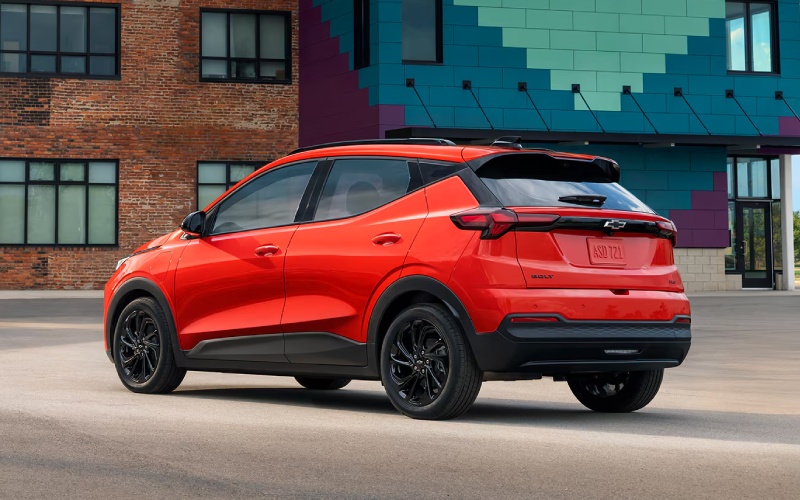
Alpine Chevrolet – Can the 2027 Chevrolet Bolt make a Denver, CO to Summit County round trip on one charge?
The 2027 Chevrolet Bolt gives Denver drivers the kind of usable electric range that makes weekend mountain plans feel refreshingly simple. If you are picturing a day trip up I-70 to Silverthorne, Frisco, or Breckenridge and back, you are essentially asking one key ownership question: will a single charge cover the drive with everyday margins for errands, detours, and mountain traffic? At Alpine Chevrolet in Aurora, we walk you through the specifics so you can decide with confidence.
What the 2027 Bolt brings to a Denver-to-Summit drive
The foundation is strong. Bolt is rated for an EPA-estimated 262 miles of electric range, which is an excellent starting point for Front Range life where distances vary but key destinations are well within reach. For flexibility on the go, Bolt adds DC fast charging that is more than 2.5x faster than the previous Bolt EUV and supports 150 kW+ public DC Fast Charging. GM estimates a 10 percent to 80 percent charge in about 25 minutes on a compatible DC fast charger. Bolt also features a standard NACS charge port so you can use most public chargers across the region — including many Tesla Superchargers — without carrying a separate adapter. An 8-year/100,000-mile battery limited warranty adds long-term confidence for daily driving and road trips alike.
Inside, Bolt’s redesigned interior with its 11.3-inch diagonal infotainment touchscreen and Google built-in can help you find charging locations, plan stops with real-time routing, and stay connected. Available Super Cruise® driver assistance technology can deliver a hands-free experience on compatible roads, which can be a welcome way to reduce driving fatigue on longer highway stretches outside the city.
Distances, grades, and what that means for range
From downtown Denver to Silverthorne is roughly 70 miles, to Frisco about 75 miles, and to Breckenridge around 80 to 85 miles, depending on your starting point. The climb over Floyd Hill and up to the Eisenhower-Edwin C. Johnson Memorial Tunnel represents real elevation gain and sustained highway speeds — both of which can increase energy use compared to flat, in-town driving. That said, electric vehicles recuperate energy on long descents, so the drive back toward Denver can return a meaningful amount of charge to the battery. Many Denver-area owners find that this climb-out and glide-back pattern balances out over a round trip.
How much buffer do you want? That depends on speed, traffic, cargo, and any side trips. With an EPA-estimated 262 miles in the pack, a Denver to Breckenridge round trip of roughly 160 to 170 miles is squarely within the Bolt’s capability for many drivers, especially if you leave with a high state of charge. If you are planning extra miles — perhaps popping over to Dillon or running errands in Frisco — it is reassuring to know that you are traveling one of the most charger-dense corridors in Colorado.
Real-world planning for an easy day trip
We recommend leaving Denver with a high state of charge, then deciding at your destination whether you want to top up for the return. If you prefer to keep moving, you can simply head back down — recuperation on the descent often helps preserve an ample buffer. If you like the idea of a quick, no-stress stop, NACS-compatible public DC fast chargers are commonly found in Idaho Springs, Silverthorne, and Frisco. A 10 to 15 minute boost at lunch or a coffee stop can restore a comfortable margin. Because Bolt supports 150 kW+ DC fast charging and has a GM-estimated 10 percent to 80 percent window in about 25 minutes, shorter sessions aimed at adding a modest cushion are typically even quicker.
Charging is straightforward on the Front Range and along the I-70 corridor. With Bolt’s standard NACS port and compatibility with many Tesla Superchargers and other networks, you can use the stations you see most often without relying on extra dongles or workarounds. If you prefer to plan in advance, Google built-in can help you locate nearby public chargers and estimate arrival state of charge — and you can always cross-check with Chevrolet’s public charging resources, which highlight more than 250,000 available chargers across the U.S. and Canada.
When one charge is enough — and when a top-up is smart
For a straightforward Denver to Silverthorne or Frisco day trip, many drivers will comfortably complete the journey on a single charge, especially when starting at or near 100 percent. Add Breckenridge to the itinerary and it is still within typical round-trip range for Bolt, with the caveat that sustained high speeds, unexpected headwinds, or extended side trips can trim the cushion. None of that needs to complicate the day — a quick NACS DC fast charge at a convenient stop protects your buffer and lets you enjoy the drive at your preferred pace.
If you are staying overnight, more options open up. Many Summit County hotels and public lots include Level 2 charging, which makes returning to Denver simple — wake up to a full or nearly full battery, then cruise back east knowing the long descent is working in your favor.
For drivers new to EVs, it is also helpful to remember that Bolt is engineered for consistent, repeatable charging and driving. Chevrolet recommends regularly charging to 100 percent capacity to achieve the fastest overall charging speeds with the new battery technology. That guidance makes day-trip prep easy — plug in at home the night before, start your morning with a full pack, and get on the road.
Below is a concise set of planning pointers we share with Denver-area shoppers who are eyeing regular Summit County trips in a 2027 Bolt.
- Starting charge: Leave Denver with a high state of charge to maximize your day-trip buffer.
- Steady speeds: Highway pace influences range — if you drive faster, consider a brief fast-charge top-up.
- Destination options: Silverthorne, Frisco, Dillon, and Idaho Springs commonly offer NACS-compatible DC fast charging.
- Quick boosts: A short DC session is typically enough to add a healthy return-trip margin.
- Map support: Use Google built-in to locate nearby chargers and check estimated arrival charge.
- Regeneration: Expect meaningful energy recuperation on the downhill return to Denver.
Because the corridor is popular year-round, have a simple Plan B in mind — if traffic is heavier than expected or you add extra miles, a short DC fast-charge stop will get you back on schedule without reshuffling your plans.
Safety and comfort matter on longer drives, and Bolt delivers with over 20 standard safety and driver assistance features. Features like available Super Cruise® driver assistance technology and available HD Surround Vision can add reassurance on compatible roads and in tight parking areas in ski-town lots. Inside, the spacious, redesigned cabin with its large screens, available multi-color ambient lighting, and smart storage makes the miles go by comfortably — whether you are cruising E-470 to I-70 or navigating town streets in Frisco.
If you want to see exactly how Bolt fits your routine, our team can help you map a Denver-to-Summit drive, identify NACS stations you are likely to use, and demonstrate how Google built-in helps with real-time planning. We can also walk you through home charging options and daily charging habits that simplify life in the city. Visit us at Alpine Chevrolet in Aurora — just a quick hop from downtown Denver — and take a 2027 Bolt for a drive that mirrors your typical weekend.
Frequently Asked Questions:
Can I use Tesla Superchargers with the 2027 Chevrolet Bolt around Denver?
Yes. The 2027 Bolt includes a standard NACS charge port, making it compatible with many Tesla Superchargers and other public DC fast chargers across the Front Range and I-70 corridor. Availability can vary by site, so check your route in advance.
How long does a quick fast-charge stop usually take on I-70?
GM estimates that going from 10 percent to 80 percent can take about 25 minutes on a compatible DC fast charger. If you only need a cushion for the return to Denver, a shorter stop often does the trick.
Do I need any adapters to use public chargers near Summit County?
With Bolt’s standard NACS port, you can plug directly into most NACS public chargers, including many Tesla Superchargers. For other connector types, check the station details in your route planner before you go.
Will the climb to the Eisenhower Tunnel significantly reduce my range?
Climbing grades and sustained highway speeds will increase energy use compared to flat routes. However, the long downhill back toward Denver allows the vehicle to recuperate energy, which helps balance total round-trip consumption. Planning a quick top-up at a NACS DC fast charger along the way ensures a comfortable buffer.
Is Super Cruise® available on the 2027 Bolt for I-70 drives?
Super Cruise® driver assistance technology is available on the 2027 Bolt and provides a hands-free experience on compatible roads. Coverage continues to expand — check the latest compatible road map to see which stretches of I-70 and nearby highways are supported.
Ready to see how a 2027 Chevrolet Bolt fits your Denver-to-Summit routine? Our Alpine Chevrolet team will set up a route preview, show you how to find NACS chargers along I-70, and get you behind the wheel for a drive that mirrors your day-to-day. Visit us in Aurora or contact us to schedule your test drive.
Request more 2027 Chevrolet Bolt information
Connect with us

