Blog / Chevrolet Bolt

Why the 2027 Chevrolet Bolt’s NACS Charging Makes Everyday Driving Easier around Aurora, CO

Why the 2027 Chevrolet Bolt’s NACS Charging Makes Everyday Driving Easier around Aurora, CO

Alpine Chevrolet - Why the 2027 Chevrolet Bolt’s NACS Charging Makes Everyday Driving Easier around Aurora, CO

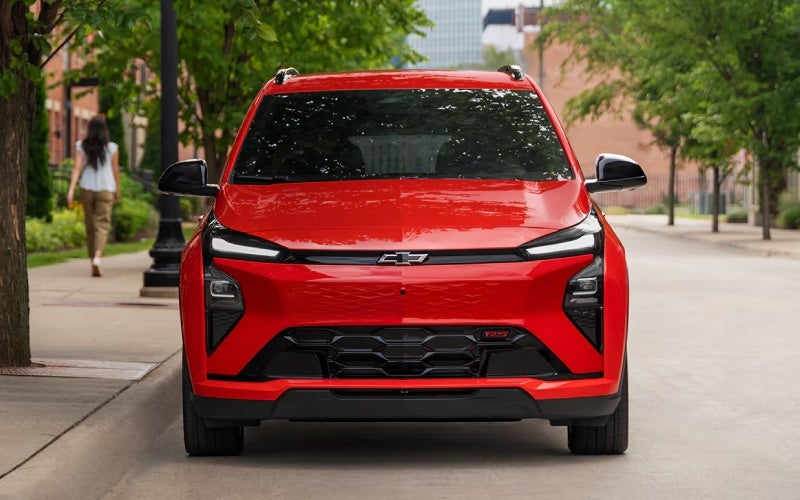
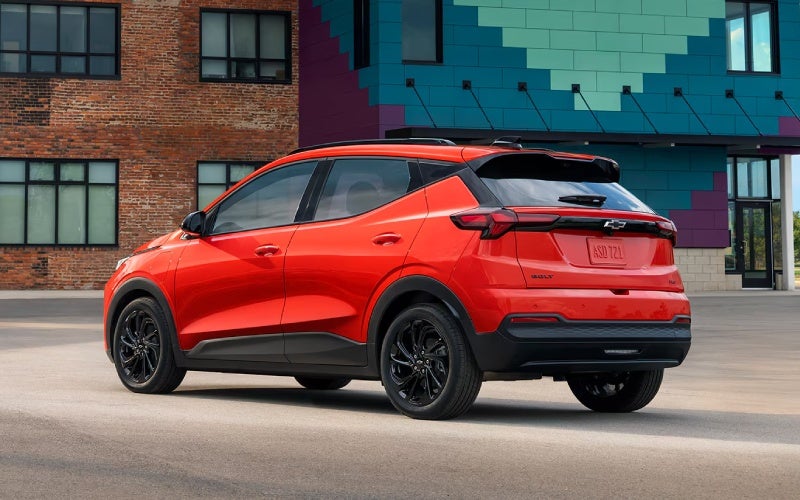
Charging access is the heart of electric ownership, and the 2027 Chevrolet Bolt makes it refreshingly straightforward with a standard NACS charge port. At Alpine Chevrolet, we’ve watched public charging expand quickly around the Denver metro, and the shift to NACS means the new Bolt taps into a wide network of DC fast chargers—so you can power up confidently on your schedule.

The Local Advantage of NACS Compatibility

Aurora’s driving mix—suburban streets, frequent hops onto I-225 or I-70, and occasional treks toward the foothills—calls for a compact EV that can charge fast when you need it. With its standard NACS port, the 2027 Bolt integrates smoothly with many of the chargers local drivers see every day, including popular networks with a growing number of stalls. That means fewer detours to find a compatible connector and more options when you arrive at a station with a mix of plug types.

The benefit extends beyond convenience. A broader charging choice can reduce wait times during busy hours, and when paired with the Bolt’s GM-estimated 10–80% DC fast-charge window in about 25 minutes, you can add meaningful range during a coffee break or quick errand. For many Aurora commutes and weekend plans, that’s a big confidence boost.

How NACS Works Day to Day

For most owners, the week runs on a simple rhythm—charge at home overnight and top off as needed. The 2027 Bolt’s standard NACS port helps streamline those occasional public stops. In practice, this looks like pulling into a familiar retail center on Havana Street or off Parker Road, finding an open DC fast charger, and plugging in without adapters. The standardization helps minimize guesswork and keeps your attention on the drive, not the hardware.

On the weekends, the Bolt’s estimated 262 miles of range means you might only need one fast-charging session for an out-and-back across the metro or a detour to a trailhead or ball field. Because NACS is widely supported, you can plan routes with more flexibility, filtering stations by speed and availability in your preferred apps—especially helpful if you’re juggling multiple stops.

Tech That Complements Charging Simplicity

The Bolt’s interior tech makes the charging experience easier to manage. The 11.3-inch touchscreen is large enough for crisp mapping, energy data, and charging locations, while the 11-inch Driver Information Center keeps key stats in your line of sight. When your phone is juicing up on the available wireless charging pad, it’s one less cable to handle when you step out to plug the car in. And if you’re the type who likes a tailored cabin at night, available multi-color ambient lighting adds a premium touch while you wait a few minutes to reach your target state of charge.

Google built-in brings native voice control for navigation, music, and more. If you prefer asking for a nearby DC fast charger by voice rather than tapping through menus, it’s easy to do. You’ll see station info populate quickly, and many apps now display stall counts and speeds, making it simpler to choose the right stop.

Hands-Free Confidence on Compatible Roads

Charging might be the headliner for EV ownership, but the drive matters just as much. The 2027 Bolt offers available Super Cruise®, bringing hands-free capability to compatible roads—an especially welcome feature for those regular Aurora-to-Denver runs or longer stretches along I-25. It lightens the load during stop-and-go or steady-state highway driving, while the Bolt’s quick, smooth acceleration handles merges and lane changes with ease.

Back in town, tight-parking confidence comes from available HD Surround Vision and Front and Rear Park Assist. These features complement the Bolt’s compact footprint and generous outward visibility, so you can slip into a tough parallel space or angle stall without stress.

What to Keep in Mind When You’re New to NACS

If you’re moving from a previous EV with a different connector, the transition is simpler than it looks. Public stations increasingly list plug types in apps and on hardware signage. When you reach a site, select a stall marked for NACS, confirm you’re at a DC fast unit if you need a quick charge, and plug in. It’s helpful to know your preferred charge window—for many drivers, targeting something like 20% to 80% balances time and battery efficiency for day-to-day use.

  • Plan stops: Use apps that filter by plug type, power level, and stall count
  • Check speeds: Favor higher-kW chargers for shorter sessions
  • Mind SOC: Fast charge when you’ll benefit most—often between 10% and 60–80%
  • Stay flexible: Pick stations near errands or a quick bite to optimize your time

For most Aurora routines, you’ll rely on home charging and use public DC fast stations to handle unplanned days or longer routes. The 2027 Bolt’s approach—practical range, standard NACS, and fast-charge capability—keeps that pattern easy to follow.

Frequently Asked Questions:

How often should I use DC fast charging with the 2027 Bolt?

Most owners will rely on home charging day to day and use DC fast charging as needed for longer drives or tight schedules. This pattern helps optimize time and keeps your routine simple.

Can I access popular fast-charging networks with the standard NACS port?

Yes. The 2027 Bolt’s NACS port enables access to many widely used public chargers across the Denver metro and beyond, including locations you’ll find around Aurora’s shopping centers and transit corridors.

What in-car tools help me manage charging on the go?

The 11.3-inch touchscreen, Google built-in, and available wireless phone charging make it easy to locate chargers, monitor energy use, and keep your phone ready for route planning or payment apps.

If you’re mapping out your first EV, the 2027 Chevrolet Bolt’s standard NACS port and strong fast-charging performance simplify the switch. We’re serving Arvada, Lone Tree, and Aurora with guidance on home setup, public charging tips, and test drives that reflect your daily routes. Whether you’re focused on reducing stops, exploring hands-free capability, or just learning the ropes, we can help you build a plan that fits your life.

Alpine Chevrolet is here to make your EV transition clear and comfortable—so you can enjoy the perks of electric driving from your first week of ownership.
Request more 2027 Chevrolet Bolt information

Posted in:

Related Posts

Is Super Cruise on the 2027 Chevrolet Bolt a smart choice for Denver, CO commuting?

Is Super Cruise on the 2027 Chevrolet Bolt a smart choice for Denver, CO commuting?

Alpine Chevrolet - Is Super Cruise on the 2027 Chevrolet Bolt a smart choice for Denver, CO commuting? Hands-free driving is no longer limited to high-end luxury vehicles — and for many front-range commuters, that’s a welcome change. On the 2027 Chevrolet Bolt, available Super Cruise® driver assistance technology helps reduce the mental strain of stop-and-go traffic and long highway stretches by enabling hands-free driving on compatible roads. Below, we’ll explain how Super Cruise® works on the Bolt, what you’ll need to use it, and how it can support a calmer, more consistent commute. We’ll also outline a few practical tips to help you get the most from the system starting on day one. How Super Cruise® works on the Bolt Super Cruise® pairs precision mapping data with a robust driver attention system and the Bolt’s advanced driver assistance technology to enable hands-free driving on compatible roads. Once conditions are met — including a detected, mapped roadway and active Adaptive Cruise Control — you can remove your hands from the wheel while the system manages steering, lane centering, and speed within preset limits. It’s not self-driving, and you must remain attentive, but the cumulative effect is a calmer commute with fewer micro-corrections and less fatigue. On the Bolt, Super Cruise® integrates naturally with the 11-inch diagonal Driver Information Center, offering clear status prompts and visuals. In heavy traffic, it helps maintain a steady following gap, and on open stretches it holds a confident line, giving you room to monitor surroundings and plan your next move. What you need to use Super Cruise® Compatible roads: Super Cruise® operates on mapped, compatible highways where lane markings and conditions meet system requirements. Attention system: You must keep your eyes on the road; a camera monitors driver attention to ensure responsible use. Adaptive Cruise Control: The feature works in tandem with ACC to manage speed and following distance. Clear lane lines: Well-defined lane markings and appropriate weather/visibility are needed for system confidence. Because Super Cruise® taps high-quality map data and real-time monitoring, it’s designed to support hands-free confidence when the road qualifies — and to prompt you to retake control if conditions change. Why commuters find value in Super Cruise® Consistency is the keyword. Many drivers report arriving less fatigued after long highway runs because Super Cruise® reduces the constant, small steering inputs that add up over time. In slow-and-go situations, it helps maintain clean gaps and smoother pacing, which can lower stress and make queueing traffic feel more manageable. Pairing the system with the Bolt’s quiet, all-electric powertrain and responsive low-speed torque creates a reassuring commute — the kind where you can focus on awareness and planning rather than micro-managing wheel angle and throttle. Setting up Super Cruise® for day one success Learn the indicators: Spend a few minutes with the Driver Information Center prompts and status lights so you know exactly when the system is ready, active, or requiring attention. Start on familiar roads: Use compatible highways you know well to build trust in how the system manages curves, merges, and speed transitions. Set reasonable gaps: Choose a following distance that matches traffic patterns; smoother pacing can reduce frequent braking. Stay attentive: Keep eyes forward and hands near the wheel so you can respond promptly if conditions change. Because Super Cruise® is designed to work within a clear envelope of conditions, starting on familiar routes helps you quickly understand its strengths — and when it’s better to take over. How it complements the Bolt’s broader tech suite Super Cruise® doesn’t stand alone; it works alongside the Bolt’s over 20 standard safety and driver assistance features. Front and Rear Park Assist make low-speed maneuvering easier once you exit the highway, while IntelliBeam® can automatically toggle high beams when you’re driving on darker stretches. Add the available HD Surround Vision for curbside parking or tight urban garages, and you have a daily driver that feels at home from on-ramp to curbside. In the cabin, the 11.3-inch diagonal touchscreen and Google built-in let you use natural voice control — “Hey Google” — to adjust route guidance and media without fumbling with menus. If you combine this with a well-planned charging routine and the Bolt’s standard NACS DC port for widespread public charging access, your commute becomes both calmer and simpler. Practical considerations before you decide Route fit: Check whether your main corridor is included in the network of compatible Super Cruise® roads. Driving style: If you prefer a steady, even pace in traffic, you may appreciate the setup; if you frequently weave or pass, you may use it less. Weather patterns: Hands-free operation requires appropriate visibility; consider how often conditions meet those requirements on your commute. Tech comfort: If you like clear prompts and hands-free convenience with oversight, Super Cruise® can be a natural match. For many shoppers, the decision comes down to the kind of commute they have and how they like to drive. Super Cruise® is about reducing strain while keeping you in the loop — a complement to attentive driving, not a replacement. Frequently Asked Questions: Can Super Cruise® make my entire commute hands-free? It depends on your route. If most of your commute runs on compatible, mapped highways and conditions are right, large portions can be hands-free. Urban segments with turns, construction zones, or unclear markings will typically require you to take control. What happens if road conditions change suddenly? The system will prompt you to retake control, and you should be ready to do so at any time. Super Cruise® is designed to support responsible drivers, not replace them. Does Super Cruise® work at night? Yes, when lane lines are clearly visible and conditions meet system requirements. IntelliBeam® can also help manage high beams automatically, improving visibility without distracting oncoming traffic. Is it hard to learn? Most drivers find it intuitive within a few trips. Clear prompts and status indicators guide you through activation, and practicing on familiar stretches helps you build confidence quickly. If you want to see how Super Cruise® fits your routine, a dedicated test drive on compatible roads is the best next step. Schedule time to try a highway loop, explore the prompts, and feel how the system manages steady-state driving and traffic waves. One real-world session often answers more questions than pages of specs. At Alpine Chevrolet, serving Commerce City, Denver, and Arvada, our team can map a route that mirrors your weekday with time on compatible roads and a quick overview of the Bolt’s driver displays. You’ll leave with a clear sense of whether hands-free capability will make your commute more relaxed — and how to pair it with the Bolt’s standard safety features and intuitive infotainment for a smooth daily drive. Request more 2027 Chevrolet Bolt information

Can the 2027 Chevrolet Bolt make a Denver, CO to Summit County round trip on one charge?

Can the 2027 Chevrolet Bolt make a Denver, CO to Summit County round trip on one charge?

Alpine Chevrolet - Can the 2027 Chevrolet Bolt make a Denver, CO to Summit County round trip on one charge? The 2027 Chevrolet Bolt gives Denver drivers the kind of usable electric range that makes weekend mountain plans feel refreshingly simple. If you are picturing a day trip up I-70 to Silverthorne, Frisco, or Breckenridge and back, you are essentially asking one key ownership question: will a single charge cover the drive with everyday margins for errands, detours, and mountain traffic? At Alpine Chevrolet in Aurora, we walk you through the specifics so you can decide with confidence. What the 2027 Bolt brings to a Denver-to-Summit drive The foundation is strong. Bolt is rated for an EPA-estimated 262 miles of electric range, which is an excellent starting point for Front Range life where distances vary but key destinations are well within reach. For flexibility on the go, Bolt adds DC fast charging that is more than 2.5x faster than the previous Bolt EUV and supports 150 kW+ public DC Fast Charging. GM estimates a 10 percent to 80 percent charge in about 25 minutes on a compatible DC fast charger. Bolt also features a standard NACS charge port so you can use most public chargers across the region — including many Tesla Superchargers — without carrying a separate adapter. An 8-year/100,000-mile battery limited warranty adds long-term confidence for daily driving and road trips alike. Inside, Bolt’s redesigned interior with its 11.3-inch diagonal infotainment touchscreen and Google built-in can help you find charging locations, plan stops with real-time routing, and stay connected. Available Super Cruise® driver assistance technology can deliver a hands-free experience on compatible roads, which can be a welcome way to reduce driving fatigue on longer highway stretches outside the city. Distances, grades, and what that means for range From downtown Denver to Silverthorne is roughly 70 miles, to Frisco about 75 miles, and to Breckenridge around 80 to 85 miles, depending on your starting point. The climb over Floyd Hill and up to the Eisenhower-Edwin C. Johnson Memorial Tunnel represents real elevation gain and sustained highway speeds — both of which can increase energy use compared to flat, in-town driving. That said, electric vehicles recuperate energy on long descents, so the drive back toward Denver can return a meaningful amount of charge to the battery. Many Denver-area owners find that this climb-out and glide-back pattern balances out over a round trip. How much buffer do you want? That depends on speed, traffic, cargo, and any side trips. With an EPA-estimated 262 miles in the pack, a Denver to Breckenridge round trip of roughly 160 to 170 miles is squarely within the Bolt’s capability for many drivers, especially if you leave with a high state of charge. If you are planning extra miles — perhaps popping over to Dillon or running errands in Frisco — it is reassuring to know that you are traveling one of the most charger-dense corridors in Colorado. Real-world planning for an easy day trip We recommend leaving Denver with a high state of charge, then deciding at your destination whether you want to top up for the return. If you prefer to keep moving, you can simply head back down — recuperation on the descent often helps preserve an ample buffer. If you like the idea of a quick, no-stress stop, NACS-compatible public DC fast chargers are commonly found in Idaho Springs, Silverthorne, and Frisco. A 10 to 15 minute boost at lunch or a coffee stop can restore a comfortable margin. Because Bolt supports 150 kW+ DC fast charging and has a GM-estimated 10 percent to 80 percent window in about 25 minutes, shorter sessions aimed at adding a modest cushion are typically even quicker. Charging is straightforward on the Front Range and along the I-70 corridor. With Bolt’s standard NACS port and compatibility with many Tesla Superchargers and other networks, you can use the stations you see most often without relying on extra dongles or workarounds. If you prefer to plan in advance, Google built-in can help you locate nearby public chargers and estimate arrival state of charge — and you can always cross-check with Chevrolet’s public charging resources, which highlight more than 250,000 available chargers across the U.S. and Canada. When one charge is enough — and when a top-up is smart For a straightforward Denver to Silverthorne or Frisco day trip, many drivers will comfortably complete the journey on a single charge, especially when starting at or near 100 percent. Add Breckenridge to the itinerary and it is still within typical round-trip range for Bolt, with the caveat that sustained high speeds, unexpected headwinds, or extended side trips can trim the cushion. None of that needs to complicate the day — a quick NACS DC fast charge at a convenient stop protects your buffer and lets you enjoy the drive at your preferred pace. If you are staying overnight, more options open up. Many Summit County hotels and public lots include Level 2 charging, which makes returning to Denver simple — wake up to a full or nearly full battery, then cruise back east knowing the long descent is working in your favor. For drivers new to EVs, it is also helpful to remember that Bolt is engineered for consistent, repeatable charging and driving. Chevrolet recommends regularly charging to 100 percent capacity to achieve the fastest overall charging speeds with the new battery technology. That guidance makes day-trip prep easy — plug in at home the night before, start your morning with a full pack, and get on the road. Below is a concise set of planning pointers we share with Denver-area shoppers who are eyeing regular Summit County trips in a 2027 Bolt. Starting charge: Leave Denver with a high state of charge to maximize your day-trip buffer. Steady speeds: Highway pace influences range — if you drive faster, consider a brief fast-charge top-up. Destination options: Silverthorne, Frisco, Dillon, and Idaho Springs commonly offer NACS-compatible DC fast charging. Quick boosts: A short DC session is typically enough to add a healthy return-trip margin. Map support: Use Google built-in to locate nearby chargers and check estimated arrival charge. Regeneration: Expect meaningful energy recuperation on the downhill return to Denver. Because the corridor is popular year-round, have a simple Plan B in mind — if traffic is heavier than expected or you add extra miles, a short DC fast-charge stop will get you back on schedule without reshuffling your plans. Safety and comfort matter on longer drives, and Bolt delivers with over 20 standard safety and driver assistance features. Features like available Super Cruise® driver assistance technology and available HD Surround Vision can add reassurance on compatible roads and in tight parking areas in ski-town lots. Inside, the spacious, redesigned cabin with its large screens, available multi-color ambient lighting, and smart storage makes the miles go by comfortably — whether you are cruising E-470 to I-70 or navigating town streets in Frisco. If you want to see exactly how Bolt fits your routine, our team can help you map a Denver-to-Summit drive, identify NACS stations you are likely to use, and demonstrate how Google built-in helps with real-time planning. We can also walk you through home charging options and daily charging habits that simplify life in the city. Visit us at Alpine Chevrolet in Aurora — just a quick hop from downtown Denver — and take a 2027 Bolt for a drive that mirrors your typical weekend. Frequently Asked Questions: Can I use Tesla Superchargers with the 2027 Chevrolet Bolt around Denver? Yes. The 2027 Bolt includes a standard NACS charge port, making it compatible with many Tesla Superchargers and other public DC fast chargers across the Front Range and I-70 corridor. Availability can vary by site, so check your route in advance. How long does a quick fast-charge stop usually take on I-70? GM estimates that going from 10 percent to 80 percent can take about 25 minutes on a compatible DC fast charger. If you only need a cushion for the return to Denver, a shorter stop often does the trick. Do I need any adapters to use public chargers near Summit County? With Bolt’s standard NACS port, you can plug directly into most NACS public chargers, including many Tesla Superchargers. For other connector types, check the station details in your route planner before you go. Will the climb to the Eisenhower Tunnel significantly reduce my range? Climbing grades and sustained highway speeds will increase energy use compared to flat routes. However, the long downhill back toward Denver allows the vehicle to recuperate energy, which helps balance total round-trip consumption. Planning a quick top-up at a NACS DC fast charger along the way ensures a comfortable buffer. Is Super Cruise® available on the 2027 Bolt for I-70 drives? Super Cruise® driver assistance technology is available on the 2027 Bolt and provides a hands-free experience on compatible roads. Coverage continues to expand — check the latest compatible road map to see which stretches of I-70 and nearby highways are supported. Ready to see how a 2027 Chevrolet Bolt fits your Denver-to-Summit routine? Our Alpine Chevrolet team will set up a route preview, show you how to find NACS chargers along I-70, and get you behind the wheel for a drive that mirrors your day-to-day. Visit us in Aurora or contact us to schedule your test drive. Request more 2027 Chevrolet Bolt information

What to Know About the 2027 Chevrolet Bolt

What to Know About the 2027 Chevrolet Bolt

Alpine Chevrolet - What to Know About the 2027 Chevrolet Bolt The 2027 Chevrolet Bolt arrives with a clear mission—make electric driving easier, more enjoyable, and more accessible for more drivers. It blends meaningful range, faster charging, a refined interior, and modern safety and driver assistance into a compact footprint that fits daily life. For commuters, first-time EV shoppers, and city drivers who also love a weekend road trip, this Bolt brings a thoughtful balance of value and capability. As Alpine Chevrolet, serving Commerce City, Denver, and Arvada, we are excited to share what sets the latest Bolt apart and how it can slot seamlessly into your routine. Below, you will find a structured, easy-to-scan overview designed to answer the common questions we hear—from range and charging to trims, tech, and how to prepare for ownership. Key highlights at a glance EPA-estimated range: Up to 262 miles on a full charge for confident daily driving and weekend getaways Fast charging: GM-estimated 10% to 80% in about 25 minutes with DC public fast charging Charge port: Standard NACS port, opening access to a wide array of public networks, including Tesla Superchargers Displays: 11.3-inch center touchscreen and 11-inch Driver Information Center for crisp, intuitive control Safety suite: Over 20 standard safety and driver assistance features for everyday peace of mind Hands-free tech: Available Super Cruise driver assistance technology for compatible roads Trim choice: LT plus the first-ever RS with sport-inspired design details What does this mean in real life? Commuting, errands, and regional travel become simpler—charge at home overnight or top up on the go—while enjoying a cabin that feels modern without a steep learning curve. The Bolt’s compact size makes it easy to park, yet it still offers useful cargo flexibility and a surprisingly airy feel inside. Range and charging confidence The Bolt’s EPA-estimated 262 miles of range gives you genuine freedom to plan your day without tethering every trip to a charger. When it is time to add miles quickly, DC fast charging delivers more than 2.5x faster speeds than the previous Bolt EUV, so road trips and spontaneous plans stay on schedule. The standard NACS port helps unlock seamless access to many public fast-charging locations, including Tesla Superchargers, which continues to expand across the U.S. and Canada. Charging is made even more convenient by the Bolt’s new battery technology. It is designed for routine 100% charges, which helps you maximize both convenience and overall charge speeds. In addition, the battery is backed by an 8-year/100,000-mile limited warranty, adding confidence for long-term ownership. Home Level 2 setup: Install or verify a 240-volt outlet for faster at-home charging and predictable daily start-of-day range Public DC fast strategy: Use fast charging for mid-trip top-ups or when your schedule calls for the quickest turnaround Daily top-offs: Take advantage of workplace or destination Level 2 charging to reduce reliance on fast charging Battery optimization: The Bolt’s pack is engineered to support 100% routine charges—ideal for predictable range every morning Route planning: Use EV-aware navigation to map stops at high-speed chargers along your route Cost tracking: Monitor energy use and charging history in-vehicle and in connected apps to optimize efficiency Whether you primarily charge at home or split time between home, work, and public stations, this setup keeps things simple. Many drivers find that Level 2 home charging paired with occasional fast charging covers nearly every scenario. Design, space, and everyday practicality The 2027 Bolt wears a clean, expressive design with new front and rear fascia and available 17-inch aluminum wheels. Fresh paint choices—including Habanero Orange, Relic Green Metallic (LT only), Atomic Yellow (RS only), and Marina Blue Metallic—lend personality without sacrificing the Bolt’s tidy, easy-to-park proportions. Inside, the cabin is redesigned for clarity and comfort. The central touchscreen sits within natural reach, physical climate controls remain straightforward to use, and the Driver Information Center places key data front and center. A reworked center console adds usable storage and larger cup holders that accommodate today’s oversized tumblers. Underfloor cargo storage—up to 4 cubic feet—helps keep items secure and out of sight. Materials also impress for the class. Available Evotex leather-alternative seating is soft to the touch and easy to care for, and multi-color ambient lighting on RS elevates evening drives with a subtle glow. Tech that feels familiar Technology should help without getting in the way. The Bolt’s 11.3-inch touchscreen brings together media, navigation, and settings with snappy responses and an intuitive layout. With Google built-in, you can simply say, “Hey Google,” to get directions, place a call, find a charger, or manage your day—hands-free. Available wireless phone charging keeps your smartphone topped up without the cord clutter. Available HD Surround Vision offers a bird’s-eye view when maneuvering in tight spaces, which pairs nicely with the Bolt’s compact footprint. Together, these features create a stress-reducing environment whether you are parallel parking downtown or backing into the charging spot at your favorite coffee shop. Safety and driver assistance Safety is foundational here. Every Bolt includes over 20 standard safety and driver assistance features. Available Adaptive Cruise Control maintains a driver-selected following gap in traffic. Front and Rear Park Assist can alert you to nearby detected objects while moving slowly in parking scenarios. And IntelliBeam can automatically toggle your high beams based on surrounding traffic conditions to help you see and be seen. Available Super Cruise takes things a step further with hands-free driver assistance on compatible roads. It is designed to lend confidence and reduce fatigue on longer stretches, especially when paired with the Bolt’s quiet, smooth electric drive. As always, these technologies are designed to assist, not replace, attentive driving—keep your eyes on the road and hands ready to take control. Meet the first-ever Bolt RS If you like a sportier look, the RS trim brings unique design elements that pop from every angle. A distinct grille and RS badging set the tone up front, while Gloss Black roof rails and 17-inch Black wheels sharpen the profile. Inside, black Evotex seating with red stitching and multi-color ambient lighting add subtle drama without overwhelming the cabin’s clean layout. Under the skin, you still get the same practical blend of range, charging speed, and user-friendly tech that defines the Bolt lineup—just with a little extra attitude. Shopping smart: how to get ready for your Bolt Trade-in valuation: Get a real-world estimate of your current vehicle’s worth to streamline your budget planning Charger readiness: Consult a licensed electrician about adding a 240-volt outlet or Level 2 EVSE where you park Trim and options: Compare LT and RS, then choose interior materials, colors, and driver assistance upgrades that match your routine Test-drive plan: Replicate your real life—mix city streets, highway, and a parking maneuver to sample visibility and ride comfort Financing and incentives: Review potential federal and state EV incentives and explore financing or lease programs that fit your goals Delivery and setup: At delivery, pair your phone, confirm charging accessories, walk through EV-specific settings, and set up connected services When you are ready, our team can help you compare configurations and talk through charging at home, on the go, and at popular high-speed networks. We can also walk through ownership tips that make the first week feel second nature. Frequently Asked Questions: What is the EPA-estimated range of the 2027 Chevrolet Bolt? The EPA-estimated range is up to 262 miles, which covers most daily driving needs with room to spare. Your actual range will vary based on driving style, temperature, terrain, and accessory use. Does the 2027 Bolt use the NACS plug and can it access Tesla Superchargers? Yes. The Bolt includes a standard NACS charge port, opening access to many public chargers, including Tesla Superchargers, as those networks support NACS for compatible vehicles. How fast can the Bolt charge on a DC fast charger? GM estimates a 10% to 80% charge in about 25 minutes at a compatible DC fast charging station. Charging speeds vary based on conditions like station power, battery temperature, and state of charge. What trims are available and what is special about the RS? The lineup includes LT and the first-ever RS. RS adds sporty design cues such as a unique grille, Black wheels, Gloss Black roof rails, and interior details like Evotex seating with red stitching and ambient lighting. Which safety and driver assistance features stand out? Over 20 safety and driver assistance features come standard. Available highlights include Adaptive Cruise Control, Front and Rear Park Assist, IntelliBeam, HD Surround Vision, and Super Cruise hands-free driver assistance on compatible roads. From range and charging to tech, safety, and style, the 2027 Chevrolet Bolt is engineered to remove friction from everyday driving. If you are moving to your first EV or upgrading to the latest features, you will find a confident, easygoing companion that feels right at home in busy city streets and beyond. Ready for a closer look? Reach out to schedule a test drive, explore charging options for your home setup, and compare LT vs. RS to find your perfect fit. Our team is here to help you go electric with clarity and confidence. Request more 2027 Chevrolet Bolt information