


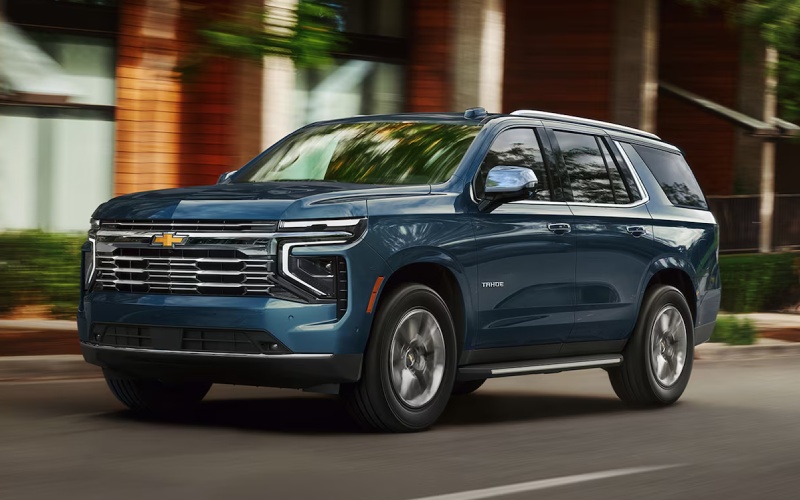
Alpine Chevrolet – Chevrolet SUVs vs Subaru for High-Altitude Winter and I-70 Weekends near Denver, CO
Living and driving at 5,280 feet asks different questions of your SUV. At Alpine Chevrolet, we talk every day with Denver and Aurora drivers who split time between weekday commutes on I-225 and weekend runs up I-70 to Loveland, Copper, or Winter Park. Many of those shoppers are weighing Chevrolet against Subaru. Both brands are known for confident traction and safety, but the way they solve Colorado’s altitude, weather, and terrain is meaningfully different. Below, we compare how Chevrolet and Subaru SUVs handle high-elevation power, winter control, mountain descents, cabin tech, and cold-weather EV driving—so you can choose the right setup for your driveway, ski rack, and lifestyle.
Start with traction philosophy. Subaru is rightly known for its Symmetrical All-Wheel Drive, standard on nearly every Subaru SUV, paired with X-MODE on many trims for low-speed slippery surfaces. Chevrolet answers with a broader toolbox. Across our SUV lineup—from Trax and Trailblazer to Equinox, Blazer, Traverse, Tahoe, and Suburban—AWD is widely available, with Driver Mode Selector that can tailor throttle, shift logic, and traction for Snow/Ice. On our body-on-frame SUVs and trucks, available 4×4 with a 2-speed transfer case adds true low-range control that Subaru does not offer, which matters when easing a boat up a snowy ramp at Chatfield or pulling away from a plowed but polished trailhead lot. StabiliTrak Electronic Stability Control System is standard on Chevrolet SUVs, and features like Hill Descent Control, Off-Road mode calibrations, underbody protection on Z71, and available all-terrain tires build confidence when conditions shift between slush, packed powder, and windblown drifts along Floyd Hill.
Altitude power is another difference Denver-area drivers feel. Air gets thin above 5,000 feet, which reduces output on naturally aspirated engines. Many Chevrolet SUVs use turbocharged engines that better maintain power at elevation, including Trax, Trailblazer, and Equinox. Larger Chevrolet SUVs offer strong V8 power and the available Duramax® 3.0L Turbo-Diesel in Tahoe and Suburban for high-torque pull and composed downhill braking with the 10-speed automatic. Subaru offers turbocharged choices in select models, but several of its most-shopped SUVs rely on naturally aspirated flat-fours. Around town that’s fine; on a full car up US 285 to Kenosha Pass at 9,997 feet, you will likely appreciate the altitude resilience of Chevrolet’s turbocharged lineup and the extra muscle available on our full-size SUVs.
Descending matters as much as climbing. Every winter, I-70 reminds us that control is a system—not just brakes. Chevrolet leans into integrated downhill management: Auto Grade Braking can help reduce brake fade on long grades like the Eisenhower Tunnel approach, Tow/Haul mode optimizes shift points for engine braking, and Hill Descent Control can keep speeds steady on rutted, snow-packed side roads. Subaru’s X-MODE brings helpful low-speed control for slippery hills, and that’s a plus in tight neighborhood descents. If your routine includes towing a pop-up to Golden Gate Canyon or a dual-sport trailer to Rampart Range, Chevrolet’s broader trailering feature set—Hitch Guidance with Hitch View, an in-vehicle Trailering App, and available HD Surround Vision—adds usable confidence when the weather turns and daylight disappears early.
- Altitude-friendly performance: Chevrolet’s widespread turbocharged engines and available Duramax® diesel maintain power at elevation, while many Subaru SUVs use naturally aspirated engines that can feel flatter above 5,000 feet.
- Traction toolset: Subaru’s standard Symmetrical AWD is excellent; Chevrolet counters with selectable drive modes across the lineup and true 4×4 with a 2-speed transfer case on body-on-frame SUVs and trucks.
- Mountain control: Chevrolet features like Auto Grade Braking, Tow/Haul, Hill Descent Control, and available HD Surround Vision support safer I-70 descents and trailhead approaches.
- Trailering versatility: Chevrolet SUVs offer significantly higher tow ratings and more camera-based guidance than Subaru’s car-based SUVs.
- Hands-free highway help: Available Super Cruise™ on select Chevrolet models allows hands-free driving on compatible roads, a feature Subaru does not offer.
Cabin tech for long Colorado days is more than entertainment. Most new Chevrolet SUVs include Chevy Safety Assist with Forward Collision Alert, Automatic Emergency Braking, Lane Keep Assist with Lane Departure Warning, Following Distance Indicator, and IntelliBeam auto high beams. Available HD Surround Vision helps with visibility in tight, snowbank-lined lots off Colfax or Broadway. Wireless Apple CarPlay® and Android Auto™ plus Google built-in make it easy to call in a food pickup on the return from Eldora. OnStar® Safety & Security is there for the unexpected and can be a reassuring partner in winter. Subaru’s EyeSight® Driver Assist Technology is a strong suite with adaptive cruise control and lane centering. The distinction is on the highway: select Chevrolet models add Super Cruise™, allowing hands-free driving on compatible roads such as I-25 and key stretches of I-70, subject to conditions and driver attentiveness—an advantage during long, evening returns when wind and plow ruts demand steady focus.
Cold-weather EV ownership is also evolving fast along the Front Range. Chevrolet offers Equinox EV, Blazer EV, and Silverado EV with Ultium-based thermal management and available features like cabin preconditioning through the myChevrolet Mobile App to help preserve range and comfort when temps drop below freezing. Available Super Cruise™ on select EVs adds long-haul ease on compatible roads between Denver and Summit County. Subaru’s Solterra brings AWD confidence in a compact form. As with any EV in winter, the keys are preheating while plugged in, using seat and steering wheel heat to ease HVAC load, and planning DC fast charging near Silverthorne, Idaho Springs, or along US 36 on busier weekends. Our team can walk you through EV route planning and home charging tailored to Colorado winters.
- Map a real test loop. Combine freeway climbs, an older plowed neighborhood street, and a few stop-and-go segments—think I-225 to Hampden, then out toward E-470 on-ramps for merging feel.
- Try Snow/Ice or AWD modes. Toggle Drive Mode Selector on a safe, straight road to feel throttle and shift changes that matter when traction is low.
- Load the cabin. If you regularly carry skis, boards, or a full carpool, bring gear to check cargo fit, roof rail access, and rear-seat comfort with winter layers.
- Practice parking. Test camera views and sensors backing into a space surrounded by snowbanks where sightlines are reduced.
- Simulate a descent. On a safe grade, feel engine braking behavior with and without Tow/Haul engaged if you plan to tow.
Space and towing flexibility are practical differentiators. Subaru’s Ascent offers three-row seating with solid cargo space, but Chevrolet’s full-size Tahoe and Suburban deliver more room for people and gear, with third rows that suit teens and adults along with expansive cargo for coolers, boot bags, and a dog crate. When you add a camper, drift boat, or enclosed sled trailer to the picture, Chevrolet’s tow ratings and trailering features outpace Subaru by a wide margin. Even in our compact and midsize SUVs, hands-free liftgates, split-fold seating, and low load floors keep winter gear changes easy at the base area or the youth hockey rink.
Ownership support matters as much as the badge. At Alpine Chevrolet in Aurora, our Certified Service team understands how altitude, freeze-thaw cycles, and mag chloride affect brakes, batteries, and tires. We help set up winter tire packages, all-weather floor liners, splash guards, and remote start through the myChevrolet Mobile App to make your mornings simpler. Our people-first approach means clear guidance whether you are choosing an AWD small SUV for city streets or a 4×4 full-size SUV for mountain towing. We are here to help you compare both brands fairly and find the Chevrolet that fits your life along the Front Range.
Frequently Asked Questions:
Is AWD or 4×4 better for Colorado driving?
Both work well. AWD, common on many Chevrolet and Subaru SUVs, is great for mixed traction and everyday winter driving. If you tow, travel on unmaintained roads, or want low-speed control in deep snow, a Chevrolet 4×4 with a 2-speed transfer case provides extra capability.
Do turbocharged engines really help at altitude?
Yes. Turbochargers compress thinner high-altitude air, helping engines maintain power. Many Chevrolet SUVs use turbo engines that feel more responsive at 5,000 to 10,000 feet compared with naturally aspirated engines. Always use fuel recommended in your owner’s manual.
Can I use Super Cruise™ in winter conditions?
Super Cruise™ can allow hands-free driving on compatible roads when lane lines are visible and conditions permit. As with any driver-assistance feature, weather, visibility, and road markings affect availability. You must remain attentive and ready to take control at all times.
Which Chevrolet SUVs offer a 2-speed transfer case?
Body-on-frame SUVs and trucks such as Tahoe and Suburban offer available 4×4 with a 2-speed transfer case for true low-range capability. Our team can help you select the right configuration for how and where you drive.
What winter accessories do you recommend for Denver-area driving?
We commonly suggest winter tires, all-weather floor liners, roof cross rails, splash guards, and a cargo tray. Remote start via the myChevrolet Mobile App and heated steering wheel availability also make cold mornings easier.
Choosing between Chevrolet and Subaru near Denver ultimately comes down to how you use your SUV. If your life is school runs in slush, Saturday powder at Mary Jane, and a summer camper weekend at Steamboat Lake, Chevrolet delivers a broader range of altitude-ready powertrains, true 4×4 hardware, trailering tech, and hands-free highway capability—backed by our Alpine Chevrolet team in Aurora that understands Colorado conditions firsthand. Visit us at 14500 E Colfax Ave to test-drive in real Front Range traffic and feel the difference where it matters. Chevrolet: Together Lets Drive.
Request more information
Connect with us

